
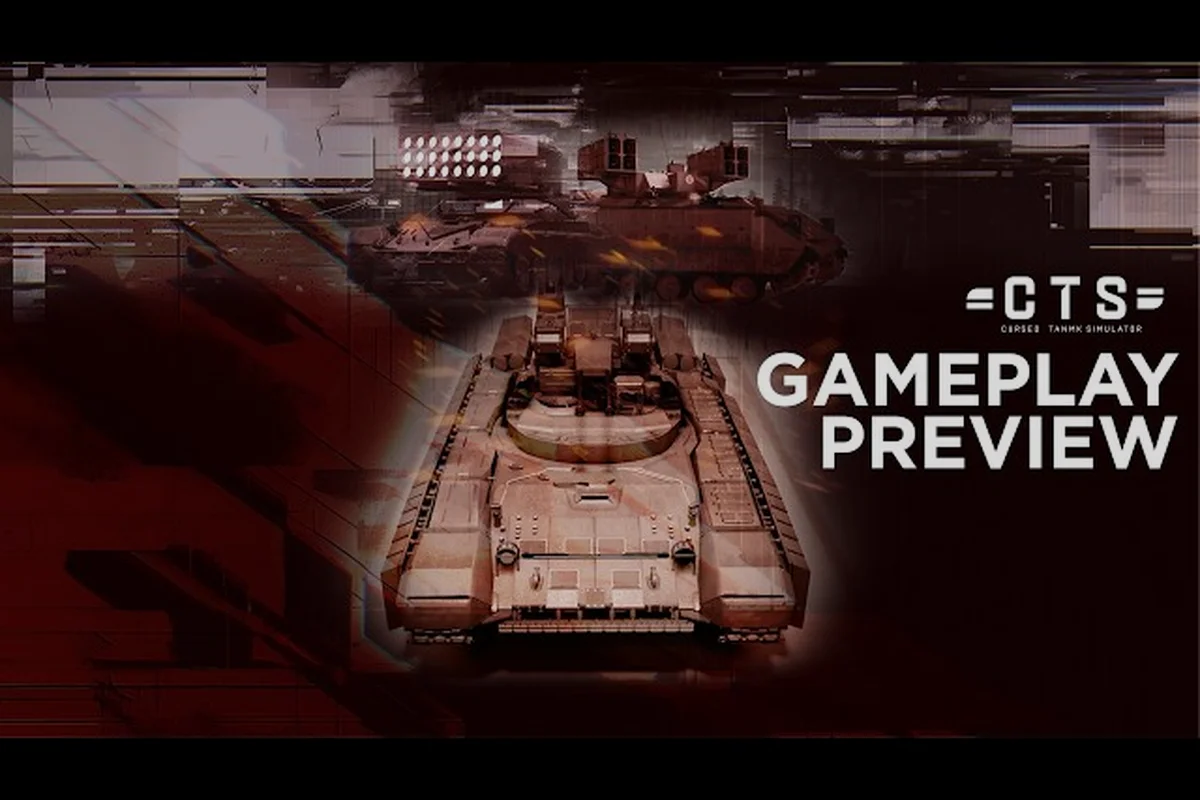
Cursed Tank Simulator PvE is where the game's most intense combat happens, pitting your squad against AI-controlled armored formations and boss-tier vehicles that demand far more than raw firepower. The mode matters because it is the primary source of the game's best loot, exclusive event currency, and leaderboard prestige, making it essential for anyone chasing the top ranks. If you want to climb the cursed tank simulator leaderboard, you need to understand how PvE waves behave differently from the chaos of PvP matches and how the Apache boss fight shapes your entire endgame loadout.
The official developer tanmk has posted PvE gameplay footage showing the Apache boss in action, and community reports from the game's Discord server confirm that coordinated squads consistently outperform solo players when the difficulty scales past tier 6. This guide covers the core PvE mechanics, the Apache boss strategy, how PvE compares to PvP, event rotations, tournament structure, and the leaderboard system that rewards consistent performance.
Understanding the Cursed Tank Simulator PvE Mode Structure
The PvE mode in Cursed Tank Simulator drops you into a series of escalating waves against AI-controlled tanks that use flanking routes and coordinated pushes rather than the chaotic free-for-all of standard matches. Each wave increases both the number of enemies and their armor quality, and the pacing forces you to balance aggressive damage output with defensive positioning because the AI will punish overextended players quickly. Players who have grinded the mode extensively report that the first five waves are essentially a warm-up, but wave six introduces elite variants with significantly higher penetration values that can shred lightly armored hulls.
The mode offers both solo and squad options, and the difference in difficulty is substantial. Solo play scales enemy health down by roughly 40 percent based on community testing, but you also lose the ability to cover multiple flanking angles simultaneously, which becomes a critical weakness against the Apache boss encounter. Squad play with three or four players creates a much more forgiving experience because you can assign dedicated roles: one player drawing aggro, one dealing sustained damage, and one handling repairs and support. The game's official Discord server, which has over 41,000 members, is where most players find reliable squadmates for higher-tier PvE runs, and developer tanmk frequently posts about upcoming PvE adjustments there.
| PvE Difficulty | Enemy Count | Enemy Armor Bonus | Recommended Squad Size | Reward Multiplier |
|---|---|---|---|---|
| Basic (Tier 1-3) | 8-12 per wave | +0% | Solo or Duo | 1.0x |
| Standard (Tier 4-6) | 12-18 per wave | +15% | Duo or Trio | 1.5x |
| Advanced (Tier 7-9) | 18-25 per wave | +30% | Full Squad | 2.0x |
| Apache Assault (Tier 10+) | 25-35 per wave | +50% | Full Squad | 3.0x |
The reward multiplier is the main reason players push into higher tiers, because the credit and XP gains compound significantly when you stack the difficulty bonus with event multipliers. However, the risk of failure also increases, and a squad wipe in the later waves means you lose all accumulated rewards for that run, which is why the community emphasizes survival over speed in the cursed tank simulator pve mode. Learning the wave timings and enemy spawn patterns is essential, and the cursed tank simulator endless mode offers a more forgiving environment for practicing these mechanics without the pressure of losing your run.
How Wave Composition Changes Across Tiers
The enemy composition shifts dramatically as you progress through the tiers, and knowing what you are facing before the wave spawns gives you a tactical advantage. Early waves feature light tanks and recon vehicles that move fast but have thin armor, while mid-tier waves introduce medium tanks with balanced stats that require accurate weak point shots to dispatch efficiently. The late waves, particularly in the Apache Assault difficulty, throw heavy tanks and artillery at you simultaneously, forcing your squad to split attention between pushing forward and defending your backline.
Squad Roles and Coordination Basics
Effective squads assign specific roles before the run starts, and the most successful compositions follow a clear structure. The frontline tank holds enemy aggro and absorbs damage while calling out target priorities, the damage dealer focuses on high-penetration shots to enemy weak points, and the support player handles repairs, provides smoke cover, and watches for flanking AI units. This division of labor becomes essential in the Apache boss fight, where the boss's minions will overwhelm a squad that tries to fight individually rather than as a coordinated unit.
Apache Boss Fight: Mechanics and Counter-Strategies
The Apache boss is the centerpiece of the highest PvE difficulty tier, a heavily armed attack helicopter that behaves completely differently from ground-based enemies. Developer tanmk's official gameplay video shows the Apache making strafing runs across the map while deploying missile barrages at players who cluster together, and community analysis of the footage has revealed several key attack patterns that determine whether your squad survives. The boss has a rotating cannon that tracks the nearest player and fires in short bursts, which punishes players who stay in open ground without moving in unpredictable patterns.
The Apache's missile barrage is the deadliest attack in its arsenal, launching a volley of six rockets that spread across a wide area. The missiles have a visible targeting laser that locks onto the ground about two seconds before impact, and players who watch for this visual cue can dodge by driving perpendicular to the laser's direction. The boss also periodically deploys reinforcement drones that repair its armor over time, and these drones must be destroyed quickly or the fight becomes a war of attrition that you cannot win because the Apache's health pool regenerates faster than most squads can deal damage.
| Apache Attack | Wind-Up Time | Counter-Strategy | Damage Level |
|---|---|---|---|
| Rotating Cannon Bursts | 1.5 seconds | Constant movement, use cover | Moderate |
| Missile Barrage | 2.0 seconds | Watch laser, drive perpendicular | High |
| Reinforcement Drones | Instant | Prioritize drone destruction | Healing |
| Rotor Wash Pushback | 3.0 seconds | Brace against terrain | Low |
The rotor wash attack is the least damaging but the most disruptive, pushing all nearby tanks backward and potentially into exposed positions where the cannon bursts can hit you. Positioning your tank against a rock formation or building before the rotor wash triggers keeps you in place and maintains your firing angle on the Apache's cockpit, which is its primary weak point. Players report that the cockpit takes roughly 2.5 times the damage of the main fuselage, making accurate shots there the fastest way to end the encounter. The full breakdown of the boss mechanics is covered in the cursed tank simulator how to beat pve guide, which includes additional strategies for the mid-tier mini-bosses.
Best Loadouts for the Apache Encounter
The Apache boss fight rewards loadouts that prioritize damage per shot over rate of fire, because the boss's movement pattern makes sustained fire difficult. High-penetration cannons with HEAT rounds are the community's top choice, since they deal consistent damage to the cockpit regardless of the angle you hit it from. The M1A1 Abrams hull with its reactive armor package provides the best survivability against the missile barrage, while the T-90 hull offers a better balance of speed and protection for players who prefer a more mobile playstyle.
Common Apache Fight Mistakes
The most frequent cause of squad wipes in the Apache fight is players clustering together during the missile barrage, which turns a single volley into a multi-kill event. Another common error is ignoring the reinforcement drones, allowing the boss to heal back to full health after a long damage phase. Squads also fail when they do not assign a dedicated drone killer, since the drones spawn from the Apache's underside and require a specific firing angle that not all players can achieve from their current position.
PvE vs PvP: Key Differences and Mode Selection
The cursed tank simulator pvp mode offers a completely different gameplay loop from PvE, and understanding the differences helps you decide which mode fits your goals and playstyle. PvP matches pit you against human opponents who use unpredictable tactics, which means positioning and map awareness matter far more than raw damage output. PvE, by contrast, features predictable AI patterns that can be learned and exploited, making it the better mode for grinding credits and XP consistently.
The reward structure also differs significantly between the two modes. PvP matches offer higher base rewards for victories but punish losses heavily, while PvE runs provide consistent rewards based on how far you progress through the waves. Players who want to climb the leaderboard typically focus on one mode, because the leaderboard tracks PvE and PvP performance separately and rewards different skill sets. The community consensus, based on discussions in the game's official Discord server, is that PvE is better for new players learning core mechanics while PvP is better for veterans testing their builds against human opponents.
| Comparison Point | PvE Mode | PvP Mode |
|---|---|---|
| Reward Consistency | High (wave-based) | Variable (win/loss) |
| Difficulty Curve | Predictable escalation | Player skill dependent |
| Team Coordination | Essential at high tiers | Optional in casual queues |
| Leaderboard Metric | Wave progression | Win rate and ELO |
| Skill Development | Pattern recognition | Adaptability |
The two modes also require different loadout priorities, since PvE enemies have predictable armor layouts while PvP opponents will vary their tank choices. A PvE-focused loadout that maximizes sustained damage against AI targets may perform poorly in PvP where burst damage and mobility matter more. Players who want to compete in both modes typically maintain separate tank configurations in their garage, which is why the cursed tank simulator game modes guide recommends planning your garage space around your primary mode before diversifying.
Which Mode Should You Grind First
For players still building their tank collection, PvE is the better starting point because the predictable AI lets you learn map positioning and weak point targeting without the pressure of human opponents. The consistent rewards also accelerate your credit income, which funds the tank upgrades you need for competitive PvP play. Once you have a tier 8 or higher tank with a solid loadout, transitioning to PvP becomes much easier because you have the raw stats to compete while you learn the tactical nuances of human opponents.
Hybrid Playstyle Strategies
Some players alternate between modes based on their current goals, using PvE to grind credits and PvP to test new builds in a competitive environment. This hybrid approach works well because the skills transfer partially between modes, particularly in the areas of map awareness and weak point targeting. The key is to avoid switching modes too frequently, since both modes have meta shifts that require time to adapt to, and players who bounce between them often lag behind in both leaderboards.
Event Modes, Tournaments, and Seasonal Rewards
Cursed Tank Simulator events add temporary game modes and reward structures that keep the meta fresh between major updates. The Winter Event NATO VS WARSAW is one of the most notable examples, introducing themed content that pits NATO and Warsaw Pact tanks against each other in special PvE scenarios with exclusive rewards. Developer tanmk's official video for this event shows the unique enemy compositions and map modifications that differentiate event modes from the standard PvE rotation.
The tournament scene is where the game's most skilled players compete for prestige and exclusive rewards. Community clans like Neon Moles and Starfall have competed in official tournament finals, with developer tanmk broadcasting the matches on YouTube for the broader community to watch. Tournaments typically feature a bracket structure with team battles that combine PvE and PvP elements, requiring squads to demonstrate both coordination against AI enemies and tactical superiority against human opponents.
| Event Type | Duration | Primary Rewards | Skill Focus |
|---|---|---|---|
| Seasonal Events | 2-4 weeks | Exclusive camos, event currency | PvE coordination |
| Weekly Tournaments | 3-5 days | Leaderboard points, rare modules | PvP combat |
| Clan Wars | Monthly | Clan-wide rewards, unique tanks | Combined arms |
| Community Challenges | 1-2 days | Credits, XP boosters | Speed and efficiency |
The reward structure for events and tournaments is designed to keep both casual and competitive players engaged, with participation rewards for everyone who completes the basic objectives and exclusive top-tier rewards for leaderboard finishers. The cursed tank simulator event guide covers the current event rotation and provides strategies for maximizing your event rewards, while the tournament section explains how the bracket system works and what you need to qualify for the finals.
How Event Rewards Impact Your Progression
Event rewards often include exclusive modules and tank variants that are not available through the standard progression path, making them valuable for players who want a competitive edge. The event currency system lets you purchase specific rewards rather than relying on random drops, which means you can plan your event participation around the rewards you actually need. Players who complete all event objectives typically earn enough currency to purchase one premium item, so prioritizing which reward to chase is an important strategic decision.
Tournament Qualification Requirements
Qualifying for official tournaments requires a combination of leaderboard ranking and clan participation, with the top clans receiving direct invites to the bracket. Individual players can also qualify by achieving a high enough leaderboard position in the weekly qualifier events, though this path is significantly harder because you are competing against the game's most dedicated players. The tournament format typically uses a best-of-three structure with a mix of PvE and PvP rounds, testing both your mechanical skill and your ability to adapt to changing match conditions.
Leaderboard System and Climbing Strategies
The cursed tank simulator leaderboard tracks player performance across both PvE and PvP modes, with separate rankings that combine to form your overall standing. The PvE leaderboard is based on your highest wave progression and total points accumulated across runs, while the PvP leaderboard uses a win-based rating system that rewards consistent performance against strong opponents. Your overall rank is a weighted combination of both scores, which means you cannot ignore one mode entirely if you want to reach the top of the global standings.
Climbing the leaderboard requires more than just playing well; it requires playing smart and optimizing your point gains. The PvE leaderboard rewards wave progression heavily, so pushing to the highest difficulty tier you can consistently complete is more valuable than grinding lower tiers for faster but smaller point gains. The PvP leaderboard rewards win streaks, which means maintaining a consistent performance level is more important than occasional high-risk plays that might earn you a win but also risk a loss.
| Leaderboard Factor | PvE Weight | PvP Weight | Optimization Strategy |
|---|---|---|---|
| Wave Progression | 50% | - | Push highest tier you can complete |
| Points per Run | 30% | - | Stack event multipliers |
| Win Rate | - | 40% | Focus on consistent wins |
| Opponent Strength | - | 30% | Challenge higher-rated players |
| Participation | 20% | 30% | Play regularly, avoid long breaks |
The leaderboard resets each season, which creates a fresh race for the top spots every few months. Players who want to compete for the seasonal top rank need to plan their play schedule around the reset, since the early weeks offer the easiest points because the competition has not yet established its point advantage. The official Discord server, which you can join at discord.gg/tanmk, is where the most competitive players coordinate their leaderboard pushes and share strategies for the current season.
Maximizing Your PvE Leaderboard Score
The key to maximizing your PvE leaderboard score is consistency combined with difficulty optimization. Players who complete the Apache Assault difficulty even once per week earn more points than players who farm lower tiers daily, because the wave progression multiplier applies to your total score. However, failing a high-tier run wastes your time and earns no points, so you need to be honest about your squad's capabilities and only push the highest difficulty you can reliably complete.
Tracking Your Progress and Seasonal Goals
The leaderboard interface shows your current rank, points, and the gap to the next rank, which helps you set realistic seasonal goals. Community players recommend tracking your point-per-hour rate for both modes to identify which mode is giving you better returns on your play time. If your PvE score is climbing faster than your PvP rating, focusing on PvE for the rest of the season might be the smarter play for your overall rank.
Advanced PvE Tactics and Team Composition
Once you have mastered the basic PvE mechanics, advanced tactics can significantly improve your squad's performance and push you into higher leaderboard positions. The most important advanced tactic is pull optimization, where one player deliberately draws enemy aggro while the rest of the squad focuses on the highest-threat targets. This tactic requires precise communication and trust between squadmates, because the player pulling aggro takes significant damage while the rest of the team executes the kill plan.
The team composition also matters more at higher tiers, where enemy armor values exceed what most single-tank loadouts can penetrate reliably. A balanced squad with one armor-piercing specialist, one high-rate-of-fire support, and one mobile flanker covers all the engagement scenarios the AI throws at you. The armor-piercing specialist handles the heavy tanks, the support player chips away at medium tanks and drones, and the flanker draws attention and picks off artillery units that would otherwise bombard the squad from range.
| Squad Role | Recommended Tank | Primary Weapon | Positioning |
|---|---|---|---|
| Frontline Tank | M1A1 Abrams | High-pen cannon | Lead the push |
| Damage Dealer | Leopard 2A7 | HEAT rounds | Mid-line support |
| Flanker | T-90 | Rapid-fire cannon | Wide flanks |
| Support/Repair | Challenger 2 | Smoke launchers | Backline coverage |
Communication Protocols for High-Tier Runs
Effective communication is the difference between a squad that completes the Apache Assault difficulty and one that wipes on wave eight. The community's standard protocol uses three callouts: target priority, incoming threats, and repositioning. Target priority calls tell the squad which enemy to focus, incoming threat calls warn about missiles or flanking units, and repositioning calls coordinate movement when the squad needs to shift position to avoid an enemy push.
Adapting to AI Behavior Patterns
The AI in Cursed Tank Simulator PvE follows predictable patterns that skilled squads can exploit, but the patterns change slightly at each difficulty tier. At higher tiers, the AI becomes more aggressive about flanking and will send units around your position rather than charging head-on. Learning these behavioral shifts through repeated runs is essential, and the cursed tank simulator endless mode guide provides a low-pressure environment for practicing against these patterns without the risk of losing your rewards.
Frequently Asked Questions
How do I unlock the Apache boss fight in PvE?
The Apache boss fight unlocks after your squad clears all nine waves in a single PvE run, reaching tier 10 where the boss spawns with a 35-enemy escort. You need at least three players using tier 8 or higher tanks to survive the final wave's pressure.
What is the best tank for solo PvE grinding?
The T-90 hull is the best solo PvE tank because it offers the best balance of mobility, armor, and firepower for handling AI flanking attempts. Its reactive armor reduces damage from the missile attacks that commonly wipe solo players, and its speed lets you reposition quickly when the AI sends units around your position.
How does the PvE leaderboard differ from the PvP leaderboard?
The PvE leaderboard scores your highest wave progression and total points across runs, while the PvP leaderboard uses a win-based rating system against human opponents. Your overall rank combines both scores with a 50/50 weighting, so you need to maintain competitive performance in both modes to reach the top of the global standings.
What rewards do I get from tournament participation?
Tournament participation rewards include exclusive tank skins, rare modules, and leaderboard points that count toward your seasonal ranking. The top three clans receive unique championship camos and a permanent badge on their clan page, while individual top performers earn exclusive titles and bonus credits that are not available through any other activity.
How often do the PvE event rotations change?
The standard PvE rotation changes with each major game update, typically every 6-8 weeks, while seasonal events like the Winter Event run for 2-4 weeks alongside the standard rotation. The developer announces upcoming rotations on the official Discord server at discord.gg/tanmk at least one week before the change takes effect, giving players time to plan their strategy.